Professors Albert Heck, Petra de Jongh (both Science), Jos Malda (Veterinary Medicine / UMC Utrecht) and Walter Immerzeel (Geosciences) will each receive a prestigious ERC Advanced Grant.
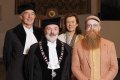
With the election of Tim Schuring as Alumnus of the Year 2023, the university emphasises the importance of good and inspiring education. He received this honorary title on Tuesday 26 March 2024 in the Dom Church during the celebration of the university's 388th anniversary, the Dies Natalis.
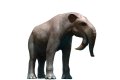
Paleontologist Jimmy de Rooij receives his PhD title from Utrecht University on his Triceratops research. Utrecht University and Naturalis Biodiversity Center work closely together.
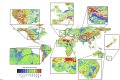
Because of declining concentrations of tritium the conventional way of studying underground flows of water is at risk of becoming useless. A group of researchers including scientists from Utrecht University worked out just how long the old tritium method will still be useful across the world.
Lydian Boschman receives the prize for her research on the role that tectonics, palaeogeography and palaeoclimate have played in shaping contemporary biodiversity.
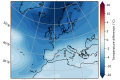
Using a complex climate model, researchers from Utrecht University have simulated the collapse of the large-scale ocean circulation in the Atlantic Ocean.
Brian Dermody (Sustainable Development) and Marjolein Naudé (Earth Sciences) are the lucky winners of the GEO Teacher Awards 2024. On Thursday 21 December, both received this award.
Worldwide, large tracts of land are contaminated with PFAS. Instead of the classic "dig and dump" method, the university wants to explore the possibilities of sustainable remediation.
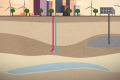
By sharing research facilities and data openly to scientists undertaking research into the subsurface, we aim to improve our collective knowledge and pave the way to a safe and sustainable use of the subsurface.