
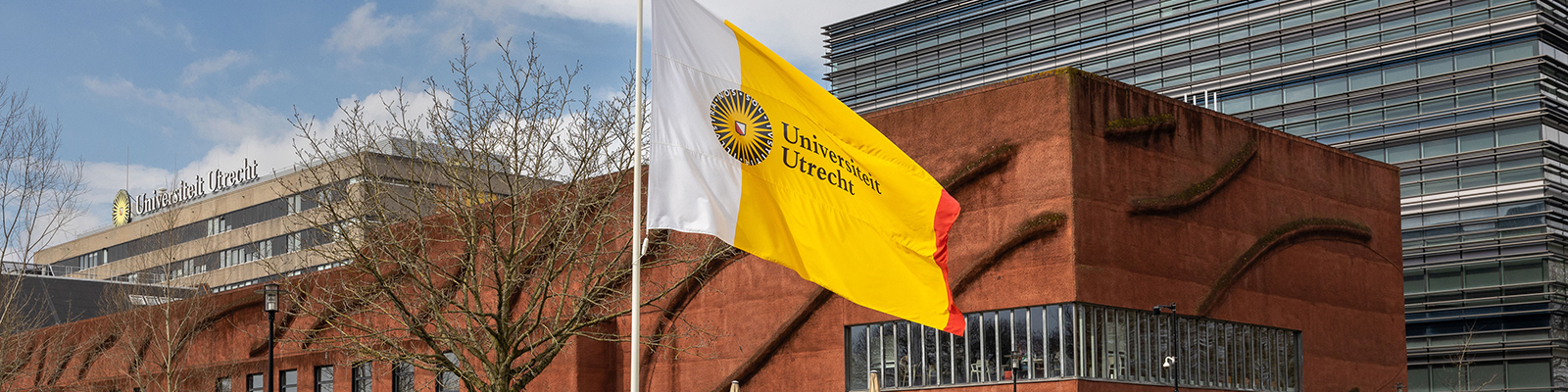
The Faculty of Science is a place to share and exchange ideas and insights with other curious people who are fascinated by how the world works.
We get a thrill out of advancing fundamental and applied research and inspirational teaching, bringing future innovations closer. This is how we work towards a better world.
Spotlight
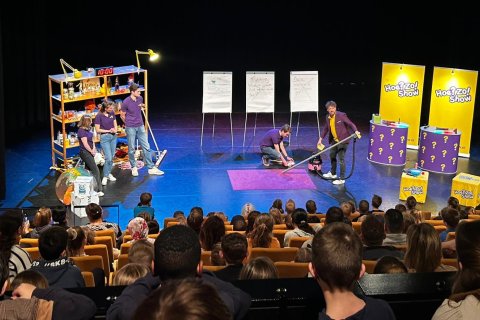 Just because something is complex doesn't mean we shouldn't try to explain it
Young researchers answer science questions of fourth graders on stage during the Hoe?Zo!Show.
 FSC-certification of tropical forests proves beneficial for gorillas and elephants
Utrecht University researcher Joeri Zwerts and colleagues conclude this based on 1.3 million camera trap images gathered in commercially exploited forests.


Research
In order to have impact with our research, we need to ask fundamental questions and find out how things work in detail.
Education
With innovative Bachelor's, Master's and PhD programmes, we inspire our students to want to know even more.
Botanic Gardens
The largest academic botanic garden in the Netherlands with an area of 90,000 m2 and a plant collection of more than 10,000 plants.
About us
To make things run smoothly, our faculty is organised in departments, institutes and schools.


